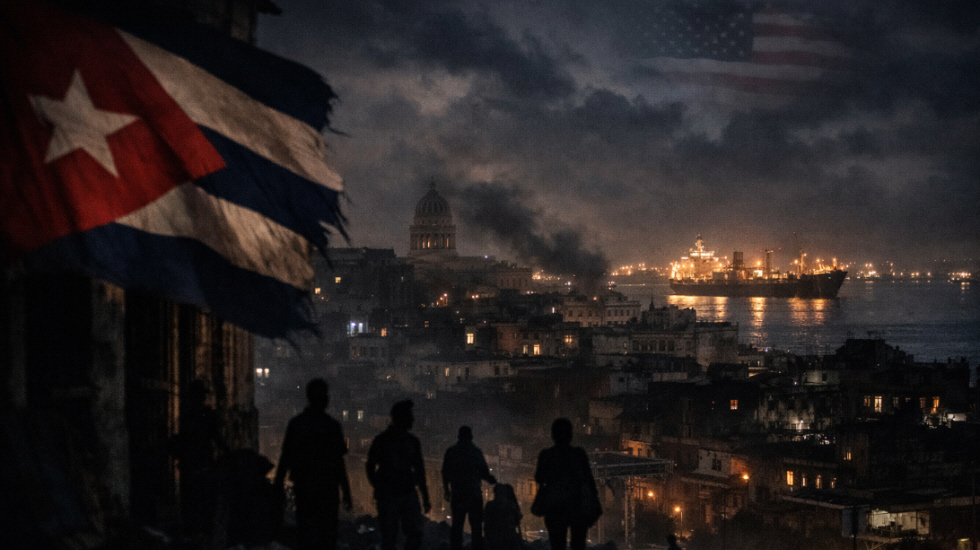
Cuba has once again placed the issue of prisoners at the center of the geopolitical stage after announcing a new mass release amid rising tensions with the United States. The decision, officially presented as a humanitarian gesture, comes at a time of intense external pressure. The island is facing one of its most complex economic moments in recent years. This move cannot be separated from that broader context.
The release of more than two thousand inmates marks the second significant action of its kind within a short period, suggesting a pattern rather than an isolated event. Cuban authorities cite criteria such as good behavior and health conditions. However, the timing raises important political questions. The coincidence with the Easter period adds a symbolic layer, but the geopolitical backdrop remains dominant. The United States has intensified its strategy toward Cuba by targeting the island’s energy supply, particularly oil flows. This has deepened an already severe energy crisis affecting daily life across the country. Fuel shortages have triggered widespread blackouts.
The consequences are being felt in transportation, infrastructure, and essential services. The worsening energy situation has disrupted normal life throughout the island, increasing both social and economic pressure. Schools have closed, flights have been canceled, and public services have been limited. Millions of citizens are now dealing with prolonged electricity outages. Under these conditions, any political decision takes on broader meaning.
Historically, Cuba has used prisoner releases as part of indirect diplomatic signaling in moments of tension. In previous cases, such actions coincided with attempts to ease international pressure. The involvement of intermediaries such as the Vatican has often played a role. This pattern suggests strategic calculation beyond humanitarian reasoning. From Washington, the pressure campaign has been accompanied by a firmer and more confrontational tone. Measures aimed at restricting energy access are designed to push structural change within the island. However, these actions affect not only the government but also the general population.
The impact is both political and human. For Havana, the release of prisoners may represent a controlled signal of flexibility without conceding deeper systemic changes. It allows the government to project openness while maintaining internal authority.
This balancing act reflects the complexity of the current moment. It is a response shaped by both necessity and strategy. Ultimately, Cuba’s second wave of prisoner releases is not merely a judicial or humanitarian act, but part of a broader geopolitical equation. Energy shortages, external pressure, and internal challenges are all converging at once. What unfolds in the coming weeks could redefine the island’s position on the global stage. And the world is watching closely.