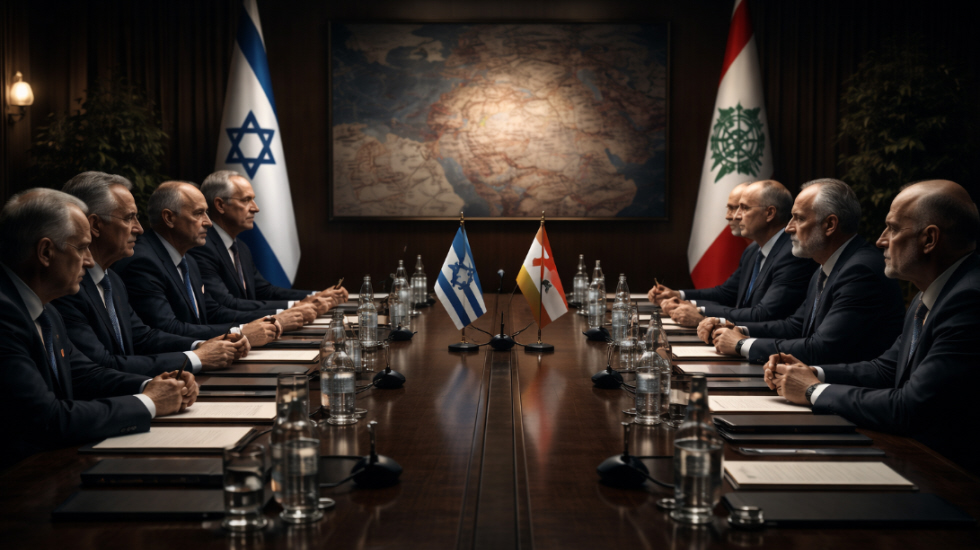
Representatives of Israel and Lebanon have held direct talks for the first time in decades. This marks a significant moment in the region. The contact comes amid heightened tensions. The development has drawn immediate international attention. According to U.S. officials, the negotiations are not expected to be a one-time event. Both sides are likely to continue discussions in the coming days. This suggests an unexpected diplomatic opening.
The process could evolve quickly. Israel’s security cabinet is set to discuss a potential ceasefire. The meeting is scheduled for Wednesday night. This move represents a shift from its previous stance. Just a day earlier, the government had rejected the idea. The change in Israel’s position reflects mounting pressure from recent developments. Ongoing clashes have increased the cost of the conflict. The urgency to reduce tensions is growing.
Diplomacy is emerging as a viable path. From Lebanon’s side, the engagement is equally significant. Historically, relations between the two countries have been defined by confrontation. Direct dialogue of this nature has not been seen in decades. The shift is notable. The United States has played a key role as a facilitator. Its influence has helped bring both parties to the table. Washington is aiming to prevent further escalation in the region.
Stability remains a strategic priority. However, the path toward an agreement remains uncertain. Deep divisions still exist between the two sides. Security and sovereignty concerns remain central.
The process will likely be complex. Overall, this development opens a fragile diplomatic window in the Middle East. While uncertain, it represents a meaningful opportunity. The world is watching closely. The coming hours will be critical.